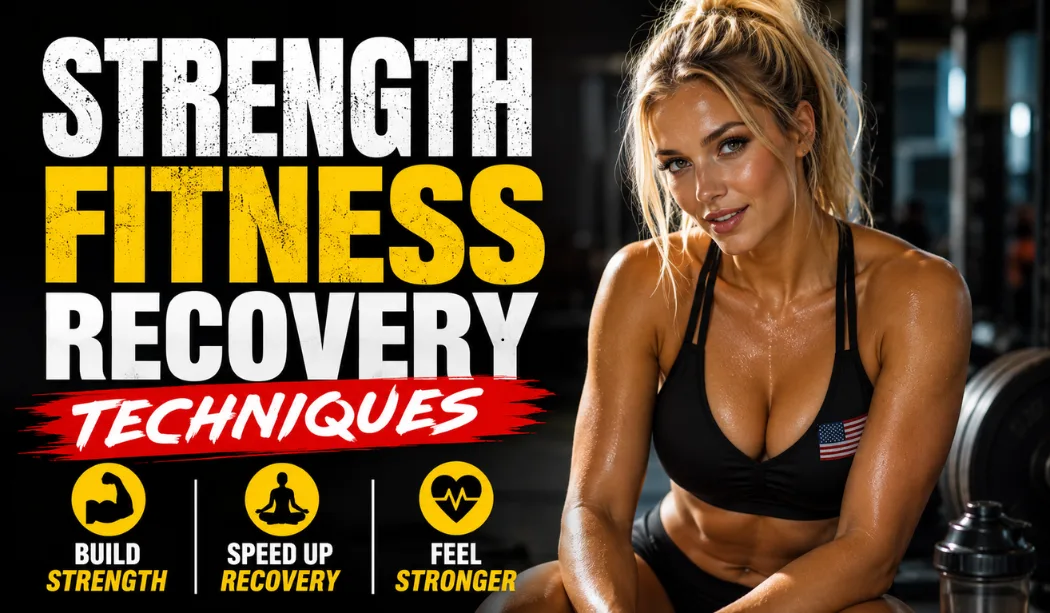
Every time you lift heavy weights, you are actually creating tiny, microscopic tears in your muscles. It sounds scary, but it is actually a good thing! Your muscles grow bigger and stronger only when these tiny tears heal. This healing process is exactly why Strength Fitness Recovery Techniques matter so much. Without proper rest, your muscles cannot rebuild. You just end up feeling tired, sore, and weak. If you want to lift heavier and run faster, you have to master the art of the rebuild.
Why Is Recovery Important for Strength Training?
Think of your body like a smartphone. When you do a heavy workout, you are running a high-performance game that drains the battery down to 1%. Recovery is the charging cable. If you do not plug yourself into the wall, your system will eventually shut down.
When you give your body a break, it clears out waste products like lactic acid from your tissues. It also delivers fresh, oxygen-rich blood to your tired muscles. Skipping this crucial phase can lead to a dangerous state called overtraining, which stalls your progress and increases your risk of painful injuries.
What Are the Best Strength Recovery Techniques?
The absolute best strength fitness recovery techniques combine physical movement, smart nutrition, and quality rest. There is no single magic trick that works instantly. Instead, top athletes use a mix of different daily habits to keep their bodies moving smoothly and painlessly.
The goal is to lower inflammation, reduce muscle soreness, and get your energy levels back to 100%. Let's look at the absolute best ways to bounce back after a brutal gym session.
Top 10 Strength Fitness Recovery Techniques

To make things easy, here is a breakdown of the top 10 Strength Fitness Recovery Techniques that every lifter should use.
1. Prioritize High-Quality Sleep
Sleep is your body's natural superpower. When you fall into deep sleep, your brain releases a massive wave of human growth hormone. This hormone acts like a team of tiny construction workers fixing your torn muscle fibers. Aim for 8 to 9 hours of uninterrupted rest every night.
2. Practice Active Recovery Days
Sitting on the couch all day might feel great, but light movement is actually much better for sore muscles. Strength fitness recovery techniques exercises include walking, easy cycling, or casual swimming. This gentle movement keeps blood flowing to your muscles without adding extra stress.
3. Focus on Targeted Mobility Work
Using a foam roller or doing gentle yoga stretches helps loosen up stiff joints. Strength fitness recovery techniques examples include rolling out tight calves or doing deep hip stretches. This breaks up knots in your muscles and improves your overall flexibility.
4. Hydrate with Electrolytes
Water regulates your body temperature and transports vital nutrients through your bloodstream. When you lift weights, you sweat out important minerals called electrolytes. Drinking clean water mixed with a pinch of sea salt or an electrolyte powder keeps your muscles from cramping up.
5. Eat Enough Lean Protein
Muscles are made of protein. After a workout, your body needs a fresh supply of amino acids to repair the damage. Eating chicken, fish, eggs, or tofu within two hours of your workout gives your system the raw materials it needs to grow.
6. Try Contrast Bath Therapy
This technique involves switching between hot and cold water in the shower. Spend two minutes under hot water to open up your blood vessels, then switch to freezing cold water for 30 seconds to tighten them. This acts like a natural pump to flush out metabolic waste.
7. Use Compression Garments
Wearing tight compression socks or sleeves puts gentle pressure on your limbs. This helps push old blood back toward your heart and reduces swelling in your arms and legs after a heavy lifting session.
8. Take Deload Weeks
Every six to eight weeks, you should intentionally lower the amount of weight you lift by 30% to 40%. This is an essential part of strength and conditioning recovery strategies. It gives your central nervous system a chance to fully rest without forcing you to skip the gym entirely.
9. Manage Mental Stress
High stress levels release a hormone called cortisol, which slows down your body's ability to heal. Taking ten minutes a day to practice deep breathing, sit in silence, or listen to calming music can drastically speed up your physical healing.
10. Get a Professional Massage
A deep tissue massage manually breaks up scar tissue and relaxes tight muscle bands. If a professional massage is too expensive, using a handheld massage gun at home can provide similar benefits for stiff muscles.
How Can You Recover Faster After Strength Training?
If you want to know how can you recover faster after strength training, the secret lies in your daily routine. It is all about consistency. Doing a quick stretch once a week will not cut it. You need a structured plan that you follow after every single workout.
For high-level performers, specialized recovery techniques for athletes often include advanced tools like electronic muscle stimulation (EMS) or hyperbaric oxygen chambers. However, you do not need expensive gear to get great results. Simply cooling down for ten minutes after your last lifting set with light stretching can cut your recovery time in half.
Advanced Recovery Strategies for Powerlifters and Heavy Lifters
When you are moving hundreds of pounds on a barbell, your bones, joints, and nervous system take a massive beating. Standard routines might not be enough. Dedicated recovery strategies for powerlifters require a heavy focus on joint health and nervous system calming.
Powerlifters benefit greatly from tissue work using lacrosse balls to pinpoint deep muscle knots. They also need to closely monitor their resting heart rate. A sudden jump in your morning heart rate is a clear warning sign that your body has not recovered from your last heavy squat session.
Strength Training Recovery Nutrition Guide

What you put into your mouth matters just as much as how much you sleep. Fueling your body correctly is a foundational pillar of health.
Choosing the Best Foods for Strength Recovery
Your body needs a mix of clean carbohydrates and high-quality proteins. Carbohydrates refill your glycogen stores, which are the primary fuel tanks inside your muscles.
- Sweet Potatoes: Packed with complex carbs to restore your energy levels.
- Wild Salmon: Rich in omega-3 fatty acids that lower muscle inflammation.
- Blueberries: Filled with powerful antioxidants that fight cellular stress.
- Whole Eggs: Contains high-quality leucine, an amino acid that triggers muscle growth.
Whey Protein vs Casein for Muscle Recovery
Not all protein powders act the same way inside your stomach.
- Whey Protein: This powder digests incredibly fast. It floods your bloodstream with amino acids within minutes, making it the perfect choice immediately after your workout.
- Casein Protein: This powder digests very slowly, forming a gel in your stomach that releases nutrients over several hours. Drinking a casein shake right before bed keeps your muscles fed all night long.
Essential Recovery Supplements for Strength Athletes
While real food should always come first, specific recovery supplements for strength athletes can give you a major competitive edge.
- Creatine Monohydrate: Helps restore your cells' primary energy molecule (ATP) so you can stay powerful during your next workout.
- Branched-Chain Amino Acids (BCAAs): Sipping these during a workout can lessen the severity of muscle soreness the next day.
- Magnesium Glycinate: Relaxes tight muscles and improves the quality of your deep sleep when taken before bed.
What the Experts Say
"The smartest athletes do not just train harder; they recover smarter. If you are lifting heavy but sleeping poorly, you are leaving half of your strength gains on the table." — Dr. Marcus Carter, Sports Science Researcher
Frequently Asked Questions
How many days a week should I rest from strength training?
Most lifters need 2 to 3 rest days per week. Beginners should space out their workouts with a rest day between every lifting day.
Is an ice bath good after a strength workout?
Ice baths reduce swelling and pain, but they can actually slow down muscle growth if used immediately after lifting. It is better to use them during intense competition periods rather than during a muscle-building phase.
Why do my muscles hurt more two days after a workout?
This is called DOMS, or Delayed Onset Muscle Soreness. It is completely normal and happens as your immune system works to clean up and repair those tiny muscle tears.