Walking into the gym is only half the battle. You can lift the heaviest weights and run the longest miles, but if your kitchen game is weak, your muscles won't grow. It feels frustrating to work hard and see no change in the mirror. You deserve a body that reflects your effort, and that starts with understanding that lifting weights is the spark, but nutrition is the fuel.
Without the correct balance of macronutrients, your body cannot repair the structural damage caused by resistance training. This leads to burnout instead of growth. When you prioritize healthy meals for muscle gain, you provide the steady stream of amino acids required for "hypertrophy," the process where muscle fibers increase in size. You’ll see faster results, experience higher energy levels, and finally feel proud of the progress you see in the mirror.
What is Healthy Meals For Muscle Gain?
Healthy meals for muscle gain are bioavailable nutrient profiles designed to maximize nitrogen balance while minimizing adipose tissue (fat) accumulation. These meals typically consist of a lean protein source, a fiber-rich carbohydrate, and heart-healthy fats. The goal is to provide your body with the raw materials needed for muscle protein synthesis (MPS).
Unlike "dirty bulking," which relies on processed sugars and saturated fats, this approach focuses on "clean" calories. By using whole ingredients like turkey, beans, and oats, you provide your body with the vitamins and minerals—such as Zinc and Magnesium—necessary for ATP production and hormonal regulation. This is about building a body that is as functional as it is aesthetic.
Why is Healthy Meals For Muscle Gain important right now?
In 2026, the focus has shifted from "getting big" to metabolic longevity. In an era of processed convenience foods, many people struggle with "hidden" ingredients that cause systemic inflammation. Choosing healthy meals for muscle gain and fat loss ensures you are building quality tissue rather than just adding "junk weight" to the scale.
Modern research highlights that chronic inflammation from a poor diet can actually stall muscle recovery. By eating anti-inflammatory whole foods, you support joint integrity and cardiovascular health. It is no longer enough to just be strong; you want to be functional and healthy for the long term.
Read also: Easy Vegetarian Crockpot Meals: Simple and Delicious Recipes
Key benefits / features / advantages
The primary advantage of a structured growth diet is the optimization of the anabolic window. While total daily protein is key, consistent high-protein intake keeps leucine levels elevated—the primary chemical trigger for muscle growth. This reduces recovery time and allows for higher training frequency.
Additionally, these meals improve insulin sensitivity. By focusing on healthy fats for muscle growth and fiber-rich carbs, you stabilize blood glucose. This ensures that nutrients are shuttled directly into muscle cells for repair rather than being diverted to fat storage.
How it works / how to use / how it helps
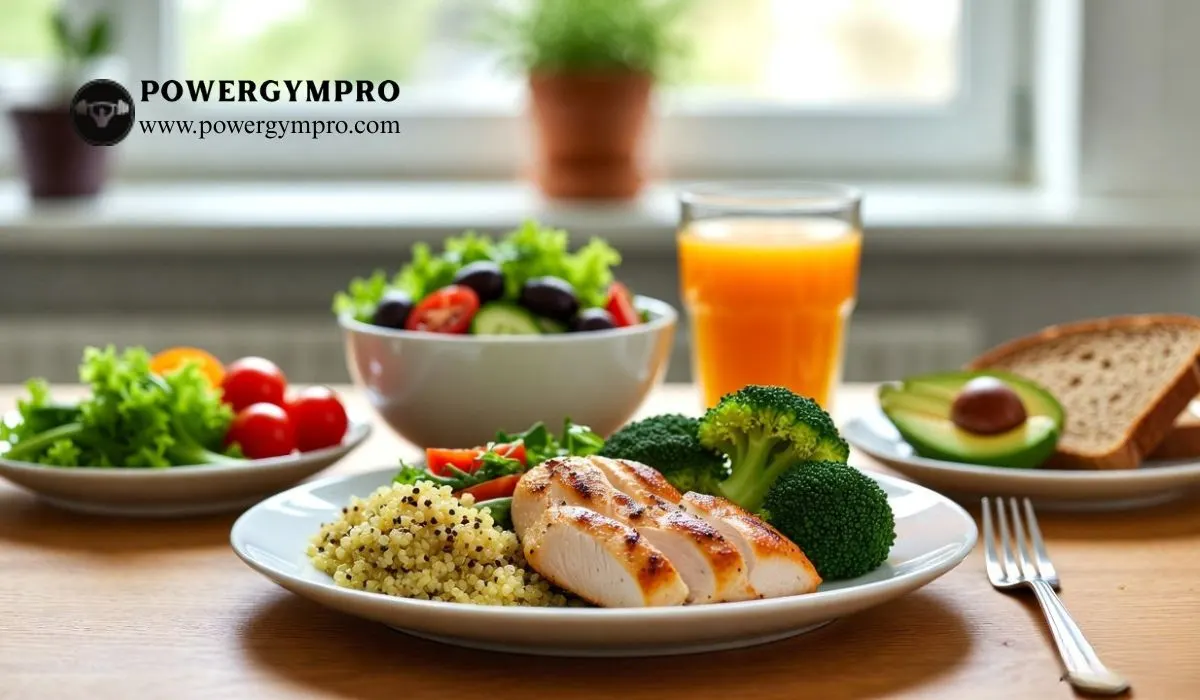
To see results, consistency is mandatory. Start with a 30-day muscle building diet where you track your intake. Current sports nutrition standards suggest consuming 1.6g to 2.2g of protein per kilogram (approx. 0.7–1.0g per pound) of body weight. Aim to eat every 3 to 4 hours to keep a steady supply of nutrients available for your muscles.
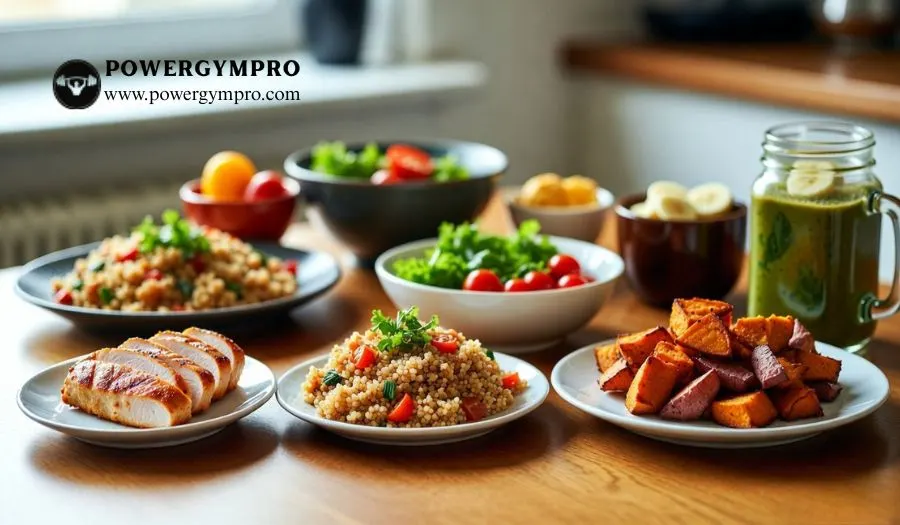
Pairing proteins with complex carbohydrates is the "secret sauce" for growth. Carbs provide the insulin response needed to transport amino acids into the muscle cells. This is why easy healthy meals for muscle gain at home always include a starch like brown rice, quinoa, or sweet potatoes.
Real-world examples or practical use
A classic gym diet meal for muscle gain is grilled chicken breast with roasted sweet potatoes and steamed broccoli. This provides lean protein, slow-digesting carbs, and essential fiber. For those on the go, a high-protein smoothie with Greek yogurt, whey isolate, spinach, and almond butter is a perfect muscle gain meal idea for busy people.
For a plant-based option, a bowl of black beans, quinoa, and avocado provides a complete amino acid profile. These real-world combinations ensure you are getting a variety of vitamins that supplements simply cannot replace.
Common mistakes or myths
A frequent error is the "low carb" trap. While popular for weight loss, a high carb vs low carb diet for muscle gain comparison shows that carbs are essential for fueling high-intensity workouts and preventing muscle breakdown. If you don't eat enough carbs, your body may burn protein for energy instead of using it to build muscle.
Another mistake is neglecting hydration. Muscles are roughly 75% water; even 2% dehydration can lead to a significant drop in strength and protein synthesis efficiency. Don't let a lack of water stall your gains.
Expert insights or trusted facts
Current research indicates that while eggs vs chicken for muscle growth is a common debate, dietary variety is superior. Eggs provide high-quality fats and choline for muscle-brain signaling, while chicken offers a higher protein-to-calorie ratio.
Regarding the brown rice vs white rice for muscle gain debate, the 2026 consensus is "contextual fueling." White rice is preferred post-workout for rapid glycogen replenishment due to its higher glycemic index. Brown rice is superior for general meals to provide sustained energy and fiber.
Who should consider this?
This nutritional approach is for anyone looking to change their physique, from "hardgainers" to seasoned athletes. It is particularly effective for food to gain muscle for males and females looking to maintain a high metabolism and bone density as they age.
Even if you aren't a professional bodybuilder, eating for muscle gain improves your daily life. It enhances your posture, boosts energy levels for your career and family, and gives you the physical stamina to handle daily tasks with ease.
Read also: Simple Breakfast Meal Prep With Lots Of Protein
Pros and Cons
Pros:
- Significant increase in physical strength and hypertrophy.
- Enhanced metabolic rate, making long-term fat loss easier.
- Better hormonal balance and mood stability.
Cons:
- Requires consistent meal preparation and planning time.
- Grocery costs may increase when prioritizing high-quality whole protein sources.
FAQs
What are the best healthy high protein meals for muscle gain?
Top choices include grilled steak, lentil soup, tuna salads, and chicken stir-fry with plenty of vegetables.
Are homemade meals for muscle gain better than supplements?
Yes. Whole foods provide a complex matrix of vitamins, minerals, and fiber that protein shakes cannot fully replicate.
Can I gain muscle on a 7-day meal plan?
A 7-day plan is a great start for consistency. Rotate sources like eggs, turkey, and fish with oats and quinoa to see initial improvements in energy and recovery.
Final Verdict
Healthy meals for muscle gain are the most important variable in your fitness journey. You cannot out-train a poor diet. By focusing on high-quality, homemade meals, you give your body the respect and fuel it needs to grow stronger. Commit to the process for at least 30 days. You will notice that as your nutrition improves, so does your performance, your appearance, and your overall quality of life. The best version of you is built in the kitchen.